
Here's the thing about Euro 2028—it's shaping up to be something really special. The tournament returns to British and Irish soil for the first time since Euro 96, and honestly? The venues are absolutely spectacular.
Running from June 9 to July 9, 2028, the championship will feature 51 matches across nine stadiums in four countries: England, Scotland, Wales, and the Republic of Ireland. Northern Ireland was originally part of the bid, but unfortunately Casement Park in Belfast got dropped due to budget constraints and delays. Still, nine incredible venues remain, each with its own story to tell.
Let me walk you through them.
The Crown Jewel: Wembley Stadium
If you're going to host a major tournament, you need Wembley. There's just no way around it.
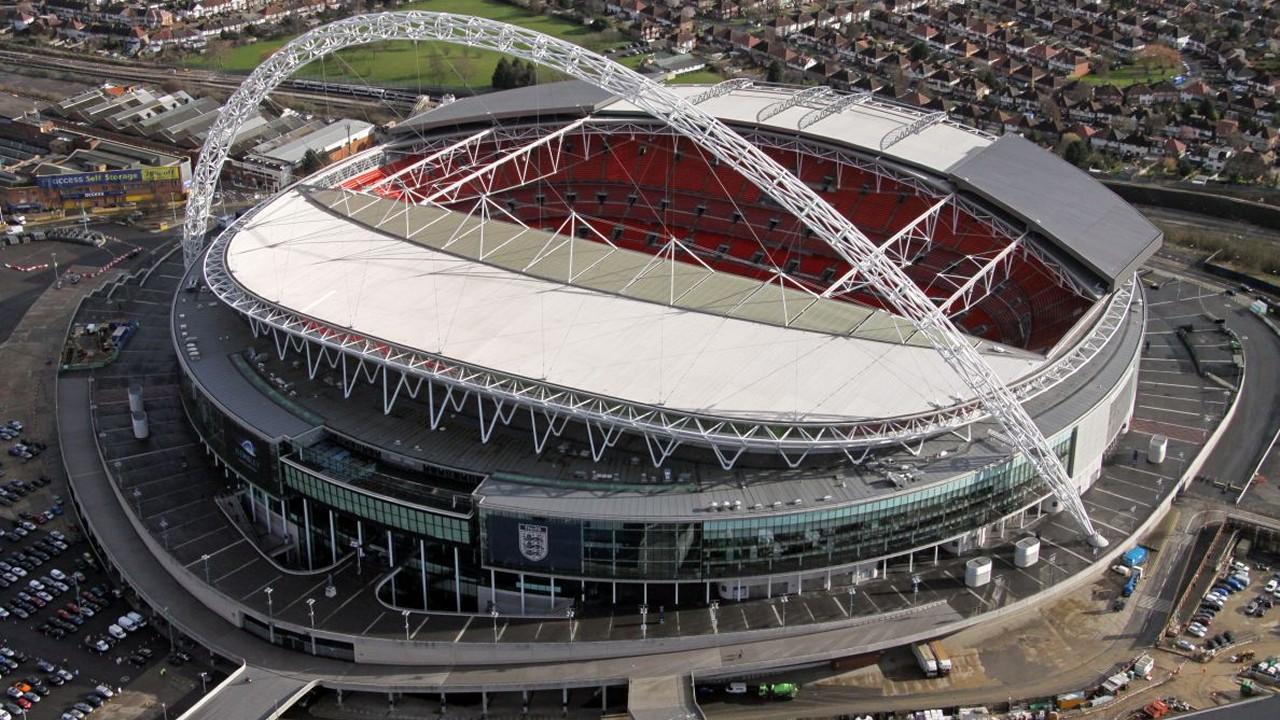
With a capacity of 90,000, it's the largest stadium in the United Kingdom and the second-largest in Europe (only Barcelona's Camp Nou is bigger). The modern version opened in 2007, but the stadium's history stretches back to 1923—meaning by 2028, the site will have been hosting football for 105 years.
That iconic 133-meter-tall arch? It's not just for show. The arch is actually a key structural element that supports the entire north roof, which means no internal pillars blocking anyone's view. Pretty clever engineering, if you ask me.
Wembley will host both semi-finals and the final on July 9, 2028. It's already hosted the Euro 2020 final (remember Italy beating England on penalties?) and the women's Euro 2022 final when the Lionesses triumphed. So yeah, Wembley knows a thing or two about hosting major finals.
Where It All Begins: Principality Stadium
The tournament officially kicks off at the Principality Stadium in Cardiff on Friday, June 9, 2028. This is Wales' national stadium, and with a capacity of 74,434, it's one of the biggest venues in the tournament.
Originally built for the 1999 Rugby World Cup, the Principality Stadium (formerly known as the Millennium Stadium) has serious football credentials. It hosted the 2017 Champions League final where Real Madrid beat Juventus 4-1, and it was the temporary home for FA Cup and League Cup finals between 2001 and 2006 while Wembley was being rebuilt.
The retractable roof is a game-changer—British weather won't be ruining any matches here. And if you've never been to Cardiff, you're in for a treat. The city has incredible energy, especially on match days.
London's Second Act: Tottenham Hotspur Stadium
While Wembley gets all the glory, London's second venue is nothing to sneeze at. The Tottenham Hotspur Stadium opened in 2019 and quickly became one of the most impressive arenas in world football.
With a capacity of 62,850, it's currently the second-largest stadium in the Premier League, just behind Old Trafford. The stadium won the 2021 Royal Institute of British Architects (RIBA) national award, which tells you everything about its design quality.
What makes it special? Four giant LED screens ensure you won't miss a moment of action, and the acoustics are incredible. Artists like Guns N' Roses, Lady Gaga, and the Red Hot Chili Peppers have all played concerts there, so you know the atmosphere is something else.
This will be the first European Championship matches ever held at this venue—talk about making your mark on the big stage.
Manchester's Fortress: Etihad Stadium
Home to Manchester City, the Etihad has become synonymous with success over the past decade. The stadium originally opened in 2002 for the Commonwealth Games before City moved in for the 2003 season.
By 2026, the stadium will be expanded to accommodate over 61,000 fans, making it the fourth-largest club stadium in the country. The ongoing renovations mean Euro 2028 fans will experience it at its absolute best.
Fun fact: England has never lost at the Etihad in three matches played there. Not a bad home record for the Three Lions, even if it's technically City's ground.
Manchester itself is a brilliant city to visit—the Northern Quarter has fantastic bars and restaurants, there's world-class shopping, and the Science and Industry museum is genuinely fascinating if you need a break from football.
Scotland's Heart and Soul: Hampden Park
Now we're talking history. Hampden Park opened in 1903, making it the oldest stadium hosting Euro 2028 matches. This place has seen everything.
Until 1950 and the construction of Rio's Maracana, Hampden Park was the largest stadium in the world. In 1937, it drew a European record attendance of 149,415 for a match between Scotland and England. Let that sink in for a second—149,000 people in one stadium.
Today, the capacity sits at around 52,000, but the atmosphere remains legendary. This is Scotland's national stadium, and if Scotland qualifies, they'll play all three group stage matches here. The noise will be absolutely deafening.
Hampden has hosted Champions League finals and Euro 2020 matches, so it's battle-tested at the highest level. And Glasgow itself? Incredible city with warm people, great culture, and more than its fair share of excellent pubs.
Liverpool's New Kid: Everton Stadium
The Everton Stadium opened for the 2025-26 Premier League season, making Euro 2028 the first major international competition at this venue. It's a modern marvel built on the infilled Bramley-Moore Dock right on Liverpool's waterfront.
The stadium holds 52,679 fans and represents a massive step forward for Everton, who played at Goodison Park for 130 years. The design carefully preserves the site's history—the original Grade II-listed dock walls and a historic hydraulic tower are integrated into the new public plaza.
This is contemporary stadium design at its finest. Everything about it is new, fresh, and designed specifically for the modern football experience. For Everton fans, saying goodbye to Goodison was bittersweet, but this new home is something to be genuinely excited about.
The North East's Pride: St James' Park
Newcastle's St James' Park brings Euro 2028 to England's North East, and honestly, this stadium deserves more credit than it gets.
With a capacity of 52,305, it's known for its distinctive "lopsided" or asymmetrical appearance. The stadium sits right in the heart of Newcastle, practically on top of the city center, which creates an incredible atmosphere.
Newcastle fans are famously passionate—some of the most dedicated supporters in English football. The Geordie crowd will absolutely show up for Euro 2028, and visiting fans should prepare themselves for a proper football experience.
The city itself has undergone a massive transformation in recent years. Great restaurants, vibrant nightlife, and plenty of cultural attractions make Newcastle a fantastic destination for tournament visitors.
Birmingham's Historic Ground: Villa Park
Villa Park currently holds 42,640 fans, but a major expansion is underway. Aston Villa recently announced plans to redevelop the North Stand, which will increase capacity to over 50,000 in time for Euro 2028.
This stadium has been around since 1897, so it's seen generations of football history unfold. The expansion will add a new hotel and fan zone, making it a complete matchday experience.
Birmingham is England's second city, and it has way more to offer than people sometimes realize. Cadbury World is nearby if you fancy indulging your sweet tooth, and the city's diverse food scene is genuinely world-class.
Ireland's Jewel: Aviva Stadium (Dublin Arena)
The Republic of Ireland's representative is the Aviva Stadium in Dublin, and it's a stunner. With a capacity of around 51,700, it's the second-largest stadium in Ireland.
The stadium's unique wave-like curvilinear shape is a feat of engineering—the design drops in height at the north end to ensure sunlight can still reach neighboring residential homes. That's the kind of thoughtful design you don't always see in modern stadiums.
Opened in 2010, the Aviva has already hosted major events including the 2024 Europa League final between Atalanta and Bayer Leverkusen. It's rated category 4 by UEFA (the first and only in Ireland), which puts it in the elite tier of European stadiums.
The stadium will host a quarter-final, and if Ireland qualifies, they'll play all three of their group matches here. Dublin knows how to put on a show—the city's hospitality is legendary, and the atmosphere around big matches is electric.
What Makes This Tournament Special
You know what's interesting about Euro 2028? All four host nations—England, Scotland, Wales, and the Republic of Ireland—must go through qualification. UEFA's rules only guarantee automatic qualification for up to two host associations, so two automatic spots are held in reserve for hosts that fail to qualify.
If more than two hosts don't make it through qualifying, the spots will be decided based on qualifying ranking. It's a more meritocratic approach than we've seen in some past tournaments, and it keeps things competitive.
The tournament will feature 24 teams competing in six groups of four, with the top two from each group and the four best third-place teams advancing to the Round of 16. From there, it's standard knockout football all the way to the final.
The Notable Absences
Some legendary stadiums didn't make the cut, and their absence is worth noting.
Anfield was ineligible because its pitch dimensions fall short of UEFA's requirements—Liverpool's iconic stadium is slightly too narrow for international tournament standards. That's got to sting for Liverpool fans.
Old Trafford was ruled out after Manchester United couldn't guarantee the stadium would be ready, with renovation plans creating too much uncertainty. The Theatre of Dreams sitting out a major tournament is a rare thing indeed.
Celtic Park and Ibrox Stadium in Glasgow, Murrayfield in Edinburgh, and Croke Park in Dublin were all shortlisted but ultimately not chosen. Each would have brought something unique, but with only nine venues needed, tough decisions had to be made.
Planning Your Euro 2028 Experience
Here's what makes this tournament so accessible: the venues are spread across relatively compact geography. You could realistically catch matches in multiple cities without spending your entire trip in transit.
The tournament format means most teams will play their three group stage games in three different stadiums, though each group will have a "group head" who plays its three matches at one or several pre-selected venues.
If England tops their group, they'll play the Round of 16 at Newcastle's St James' Park followed by quarter-finals and semi-finals at Wembley. Scotland, Wales, and Ireland have similar arrangements at their respective home stadiums.
The infrastructure is already in place—these aren't stadiums being built from scratch or massively renovated at the last minute. They're proven venues that host elite football week in and week out.
The Bottom Line
Euro 2028 brings together historic grounds like Hampden Park and Wembley with modern marvels like Tottenham Hotspur Stadium and Everton Stadium. You're getting Premier League stadiums that host Champions League matches, national stadiums with decades of history, and venues that have already proven themselves at major tournaments.
The British Isles know how to host football. The infrastructure is world-class, the stadiums are spectacular, and the football culture runs deep. From Cardiff to Dublin, from London to Glasgow, these nine venues represent the best of what European football has to offer.
And honestly? There's something poetic about the Euros returning to where it all began. England hosted the first-ever European Championship match in 1968, and they hosted Euro 96, one of the most memorable tournaments in the competition's history.
Come June 2028, the football world descends on the UK and Ireland for a month of incredible matches, unforgettable atmospheres, and the kind of tournament memories that last a lifetime.
The stadiums are ready. The cities are prepared. Now we just need the teams to qualify and the matches to begin.
Let's have it.
Euro 2028 Stadium Breakdown
Here's your complete reference guide for planning which stadiums to target:
| Stadium | City | Country | Capacity | Opening Year | Notable Features | Tournament Role |
|---|---|---|---|---|---|---|
| Wembley Stadium | London | England | 90,000 | 2007 (site since 1923) | Iconic arch, hosted Euro 2020 & 2022 Women's final | Both semi-finals + Final (July 9) |
| Principality Stadium | Cardiff | Wales | 74,434 | 1999 | Retractable roof, hosted 2017 CL final | Tournament opener (June 9) + Quarter-final |
| Tottenham Hotspur Stadium | London | England | 62,850 | 2019 | Four giant LED screens, RIBA award winner | Group stage + Round of 16 |
| Etihad Stadium | Manchester | England | 61,000 (after 2026 expansion) | 2002 (football from 2003) | Expanding to 61,000, Commonwealth Games legacy | Group stage + Round of 16 + Quarter-final |
| Everton Stadium | Liverpool | England | 52,679 | 2025 | Waterfront location, preserves historic dock | Group stage + Round of 16 |
| St James' Park | Newcastle | England | 52,305 | 1892 (extensively renovated) | Asymmetrical design, city center location | Group stage + Round of 16 |
| Villa Park | Birmingham | England | 50,000+ (after expansion) | 1897 | Historic ground, expanding North Stand | Group stage + Round of 16 |
| Hampden Park | Glasgow | Scotland | 52,000 | 1903 | Oldest venue, historic record attendances | Group stage + Round of 16 + Quarter-final |
| Aviva Stadium (Dublin Arena) | Dublin | Republic of Ireland | 51,700 | 2010 | Wave-like design, hosted 2024 UEL final | Group stage + Round of 16 + Quarter-final |
Key Details:
- Tournament Dates: June 9 - July 9, 2028
- Opening Match: Principality Stadium, Cardiff (June 9)
- Final: Wembley Stadium, London (July 9)
- Total Matches: 51 matches across nine venues
- Qualification: All four host nations must qualify; only two guaranteed automatic spots
- Special Feature: Five Premier League stadiums hosting matches
- Newest Venue: Everton Stadium (opened 2025)
- Oldest Venue: Hampden Park (opened 1903)
Whether you're planning to catch the opener in Cardiff, soak up the atmosphere at Hampden Park, or be there for the final at Wembley, Euro 2028 offers something for every football fan. Start planning now—this is going to be special.